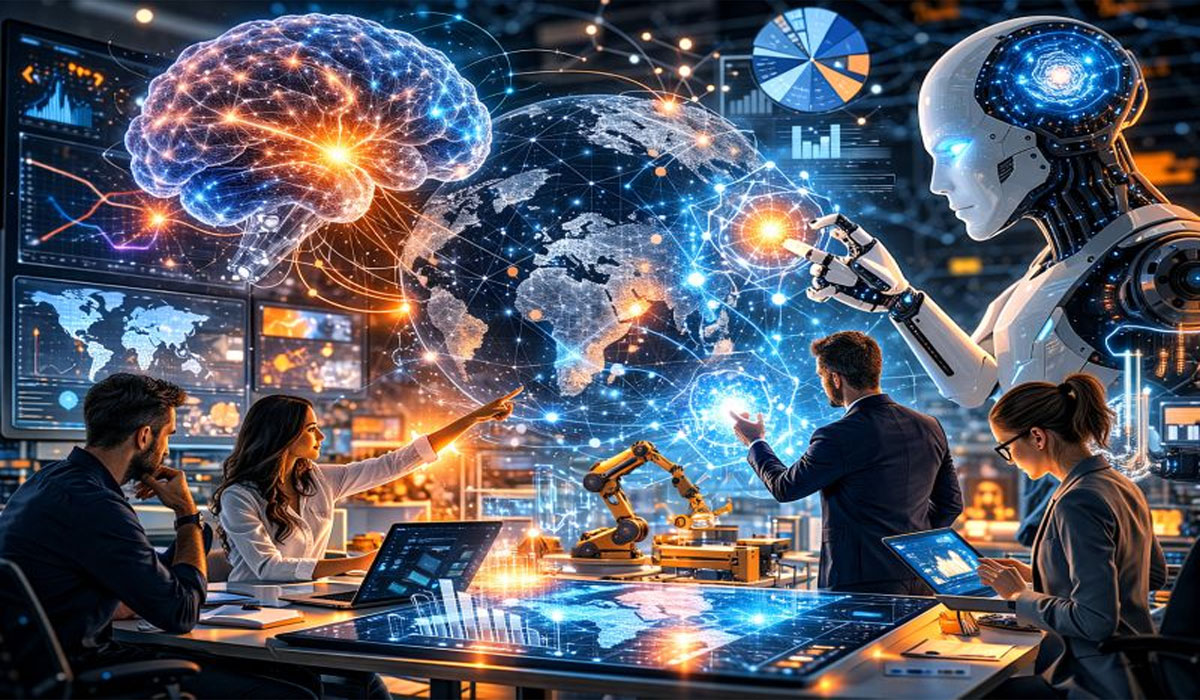
The Biggest Digital Trends of 2026: How AI Is Changing the Way People Live and Work
The biggest digital trends of 2026 are reshaping how people live and work as artificial intelligence, smart devices, automation, and connected services become increasingly integrated.
Digital technology is changing everyday routines, workplace expectations, and how people access information. From AI assistants that help organize tasks to connected devices that simplify household management, modern innovations are creating new ways to save time and improve productivity.
These developments also introduce challenges involving privacy, cybersecurity, digital skills, and responsible technology use. Understanding the most important trends can help individuals and businesses make informed decisions about the tools they adopt.
Discover a wide range of the latest information, breaking news, and in-depth reviews that will broaden your perspective on various engaging topics. Find out more, only at Scoohit Insight Pulse.
Artificial Intelligence Becomes Part of Everyday Life
Artificial intelligence is moving beyond specialized applications and becoming more accessible through consumer applications, workplace software, and digital services. People increasingly use AI tools to organize information, generate ideas, summarize documents, and complete routine activities.
AI Assistants Support Daily Tasks
Digital assistants can help users plan schedules, prepare messages, organize shopping lists, and understand complex information. These capabilities allow people to manage common responsibilities without manually completing every step.
However, users should verify important information before acting on AI-generated recommendations. Automated systems can make mistakes, misunderstand instructions, or provide outdated details, particularly when a task requires specialized knowledge.
AI Changes How People Work
Businesses are introducing AI tools to support research, customer service, content development, and administrative workflows. Employees can use these systems to prepare initial drafts, analyze information, and reduce repetitive work.
The greatest benefits often come when workers combine AI assistance with critical thinking and professional expertise. Organizations also need clear policies covering confidential information, output verification, and appropriate human oversight.
Smart Homes Make Daily Routines More Convenient
Connected home technology allows residents to control lighting, heating and cooling, security systems, and compatible appliances through centralized applications or automated routines.
Connected Devices Work Together
Smart home systems can coordinate several activities through a single command. For example, a household routine might adjust lighting, manage indoor temperatures, and activate security settings when residents leave home.
These features can improve convenience, but compatibility remains important. Consumers should check whether devices work with their existing systems and whether manufacturers provide reliable software updates.
Energy Monitoring Supports Better Habits
Smart plugs, energy monitors, and connected thermostats can help households understand electricity consumption. Users may identify appliances that consume unnecessary power and adjust their routines accordingly.
Actual savings depend on equipment efficiency, household behavior, and local energy costs. Consumers should compare the expected benefits with purchase and installation expenses before upgrading existing devices.
Also Read: Entertainment Pillar Secrets: How Media Controls Global Attention
Digital Health and Wearable Technology Expand
Wearable devices are helping people monitor activity, sleep patterns, and selected health-related measurements. Smartwatches and fitness trackers can encourage users to pay attention to daily habits and maintain consistent routines.
Personal Activity Insights
Wearables can display activity summaries, movement reminders, and trends over time. These insights may help users establish realistic goals and recognize changes in their everyday behavior.
However, consumer devices do not replace professional medical evaluation. Their measurements can be affected by device limitations, wearing conditions, and individual differences, so users should interpret results appropriately.
Technology Supports More Accessible Services
Digital accessibility features such as speech recognition, live captions, text-to-speech, and screen-reading tools can help more people use online services. These capabilities also benefit users who need hands-free controls or alternative ways to interact with devices.
Developers can improve accessibility by designing interfaces that support different abilities, clear navigation, and flexible input methods. Inclusive design makes digital products more useful to a wider range of people.
Remote Collaboration and Flexible Work Continue to Evolve
Cloud-based collaboration platforms allow teams to share documents, coordinate projects, and communicate across locations. AI-supported meeting summaries and task management features can also help employees organize information after discussions.
Businesses should establish clear communication expectations and protect sensitive work information. Teams also benefit from balancing digital meetings with focused work time and direct conversations when complex issues require deeper discussion.
Digital Shopping Becomes More Personalized
Online retailers are using recommendation systems, virtual product previews, and conversational tools to make shopping more convenient. Customers can compare options, explore product features, and receive suggestions based on stated preferences or previous interactions.
Personalized shopping can improve discovery, but consumers should compare product specifications, read reliable reviews, and check return policies before purchasing. Businesses should also use customer data responsibly and avoid misleading recommendations.
Cybersecurity Becomes Essential for Everyone
As people depend on more digital services, protecting accounts and personal information becomes increasingly important. Phishing, identity theft, account compromise, and fraudulent messages remain practical concerns for consumers and organizations.
Using unique passwords, enabling multifactor authentication, installing software updates, and verifying unexpected requests can reduce common risks. Businesses should combine technical safeguards with employee training and clear procedures for reporting suspicious activity.
Digital Skills Shape Future Opportunities
As technology evolves, digital literacy becomes increasingly valuable across different professions. Workers benefit from understanding AI capabilities, evaluating online information, protecting data, and using collaboration tools effectively.
Continuous learning can help people adapt to changing workplace expectations. Employers can support this process through practical training, accessible learning resources, and opportunities to apply new skills to real business challenges.
Conclusion
The biggest digital trends of 2026 include everyday AI, connected homes, wearable technology, flexible collaboration, personalized shopping, and stronger cybersecurity. Together, these developments are changing how people manage responsibilities and interact with businesses.
Adopting technology thoughtfully can improve convenience and productivity without creating unnecessary complexity. By protecting personal information, developing digital skills, and evaluating tools according to real needs, people can benefit from innovation while managing its risks.