Technological Development from Time to Time
Technological developments from time to time have brought about digital innovations that have changed the way people live globally.
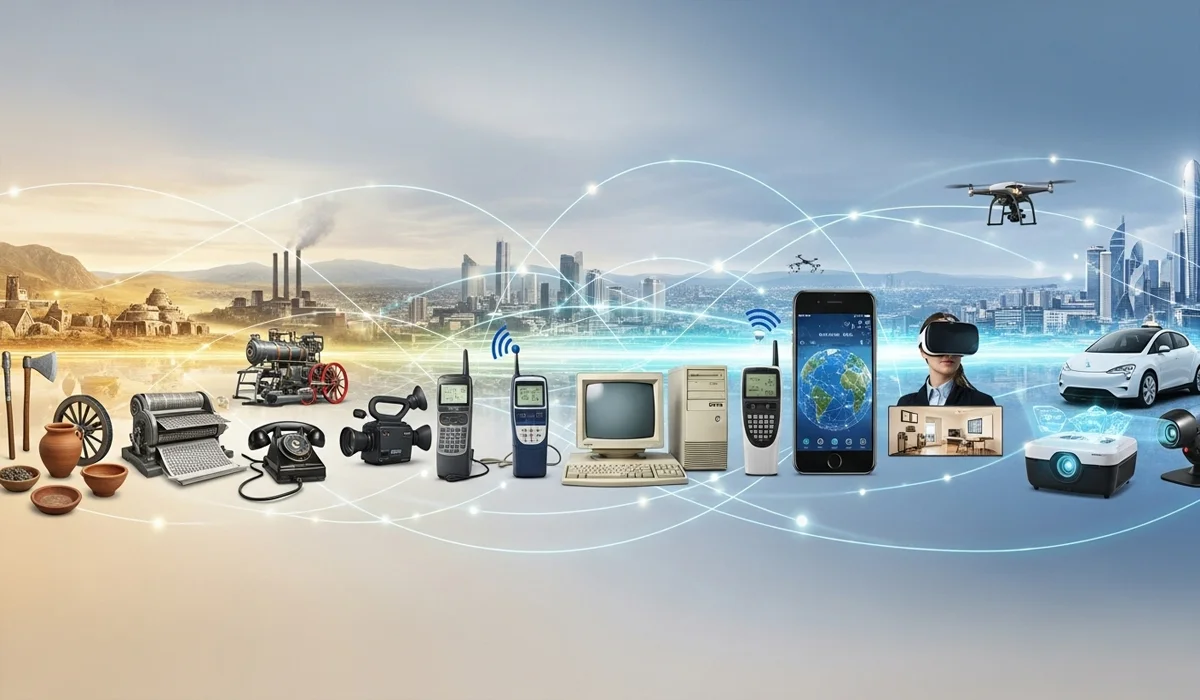
Technology is the result of human innovation that makes life activities easier and encourages major changes in various aspects of modern global life. Below Scoohit Insight Pulse will discuss technological developments from time to time in a systematic and informative manner.
Prehistoric Times and Simple Tools
Prehistoric humans created simple tools from stone, wood, and bone to survive in harsh environments. These tools helped them hunt, prepare food, and protect themselves from unexpected natural hazards. Technological development during this period was very limited, but it provided an important foundation for later innovation. Humans began to understand the function of tools as extensions of physical abilities, gradually increasing productivity.
For example, stone axes were used for cutting, and spears were used for hunting wild game. The ability to make tools demonstrated human intelligence in adapting effectively to the surrounding environment. These small changes paved the way for more complex developments in later periods. The evolution of simple tools marked the beginning of significant progress in human civilization.
The Age of Agriculture and Metal Tools
Humans began to settle down and develop agriculture, creating stronger and more durable metal tools. The use of iron and bronze increased work efficiency in farming and ensured a more stable food production. Technology advanced through the invention of tools such as plows and irrigation systems that supported large-scale agriculture. Society shifted from nomadic to settled, with a more organized social structure.
For example, the use of metal tools accelerated the harvesting process and made land cultivation more effective. This development also encouraged economic growth and increased interregional trade. The innovation of metal tools demonstrated significant advances in humanity’s ability to process natural resources. This laid a crucial foundation for the subsequent development of civilization.
Also Read: Shocking! Digital Trends in 2026 Will Rapidly Grow, Here’s How They’ll Impact Your Life
The Industrial Revolution and the Machines
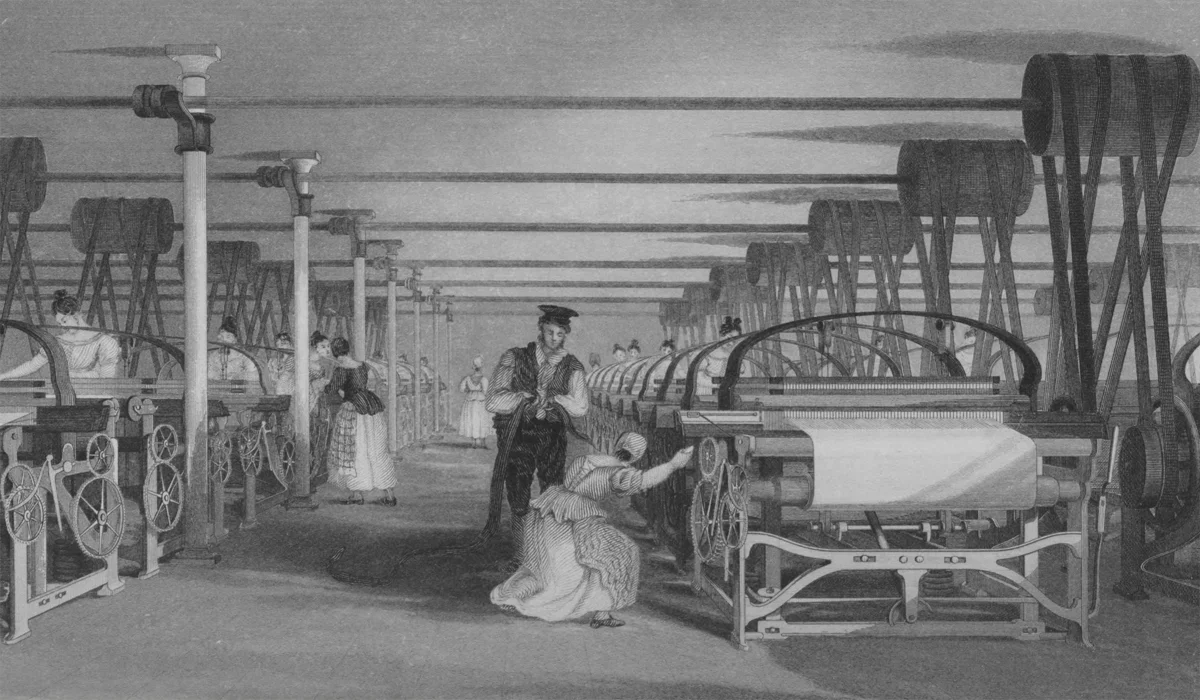
The Industrial Revolution brought about major changes through the use of machines in mass production, significantly replacing human labor. The steam engine symbolized progress, increasing efficiency and production capacity in various industrial sectors. Technology advanced rapidly with the advent of modern transportation factories and more structured manufacturing systems.
These changes drove urbanization and the growth of increasingly dense industrial cities. For example, railways accelerated the efficient distribution of goods and people between regions. Mass production lowered costs, making goods more affordable for the wider population. This revolution also created new job opportunities and complex social challenges. Its impact is felt today in the global economic system.
The Era of Electricity and Communication
The discovery of electricity brought about major changes in human life, introducing various devices that increased the comfort of daily life. Communication developed through the telegraph, telephone, and radio, connecting people more quickly and widely. Technology enabled the efficient dissemination of information, accelerating the development of science and culture.
Electricity also supported the advancement of household industries and transportation. For example, electric lamps replaced less efficient and risky traditional light sources. These advances significantly increased productivity and the quality of life for society. This era laid the foundation for the development of more sophisticated communication technology in the future. Its impact was far-reaching in various aspects of human life.
The Computer Era and Digitalization
The advent of computers transformed the way humans process data and carry out various activities more efficiently and accurately. Digitalization enabled the storage and access of large amounts of information at high speed. Technology developed through the internet, which connected the world without geographical boundaries. Business activities, education, and communications underwent major transformations due to these advancements.
For example, the use of computers in offices increased work efficiency and data accuracy. The internet enabled the instant exchange of information worldwide. These changes created new opportunities as well as challenges in data security and privacy. The digital era became a significant milestone in the development of modern civilization.
Image Information Source:
Main Image from: bakelore.co.uk
Second Image from: en.wikipedia.org